


“We’re all born sinners,” he told me over the phone; that’s what the “Bad Boi” lifestyle is about.
Born in Nigeria, raised in the Middle East, and now living in Toronto is the line that introduces every article about BOUFF. What exactly does this mean? Besides these locations, who is BOUFF and what is the “Bad Boi” lifestyle?
“I have learned life for what it is and learned to take it for what it is without fighting too much.”
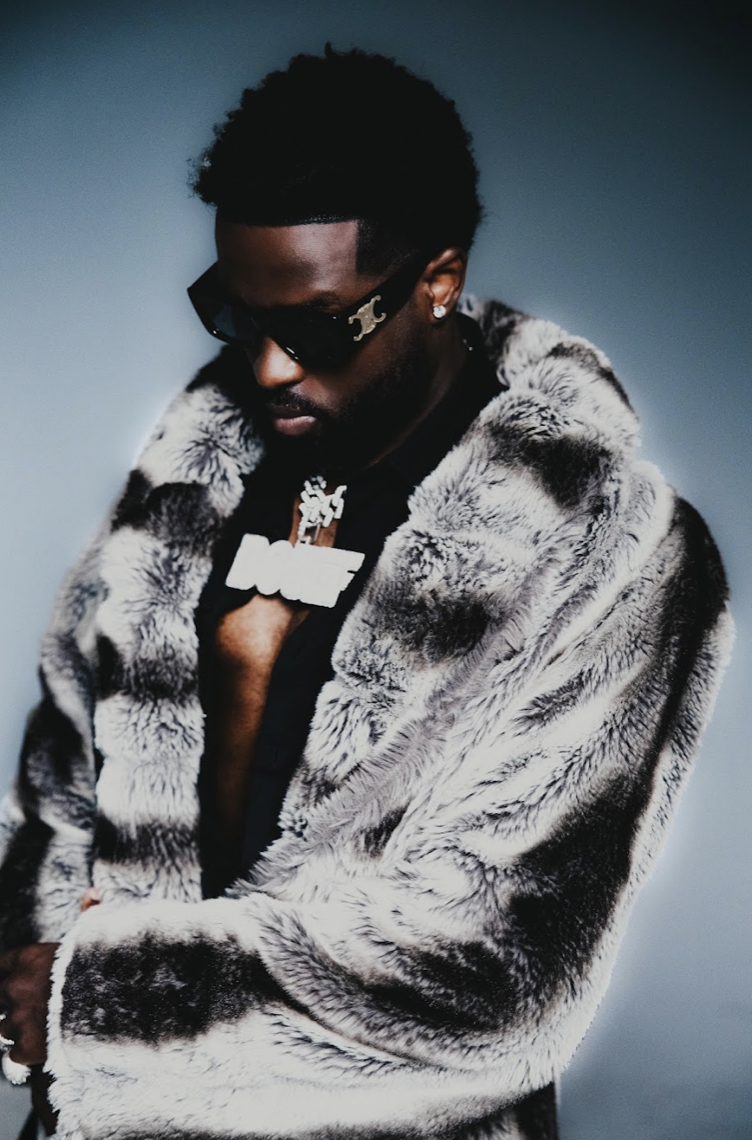
The process of creating “Bad Boi” was long, to say the least. BOUFF began working on this project back in 2024 and was still figuring out his sound. In the past, he’d dropped work that leaned into rap and trap; he’s worked with UK drill sounds and played with Afro R&B. “Bad Boi” is about being distinguished while still allowing himself to experiment.
The sound of “Bad Boi” is subtle but not fearful. BOUFF does not sound like he is trying to emulate a certain voice or genre; rather, he sounds authentic and confident in the subtleties. His first track, MERCY MI, opens hauntingly, immediately hypnotizing his audience. The line “Fuck around and find out why I’m chosen” leading into a correctional facility call proves his desire to become more than the lifestyle that could be associated with “Bad Boi.” He’s looking to achieve greatness and become more than his hardships. BLESSINGS, probably BOUFF’s most personal song off the mixtape, speaks of taking a break and figuring out what he most desires in his work.
Having studied music theory, BOUFF is aware of how to draw out certain feelings through sounds. Vibrations in tracks like PRETTY GIRLS move through the ears, putting the listener in the song rather than maintaining a distance between listener and music. Combined with his visual knowledge and lyricism, he can be a master at evoking what he wants out of listeners. A coveted skill to have.
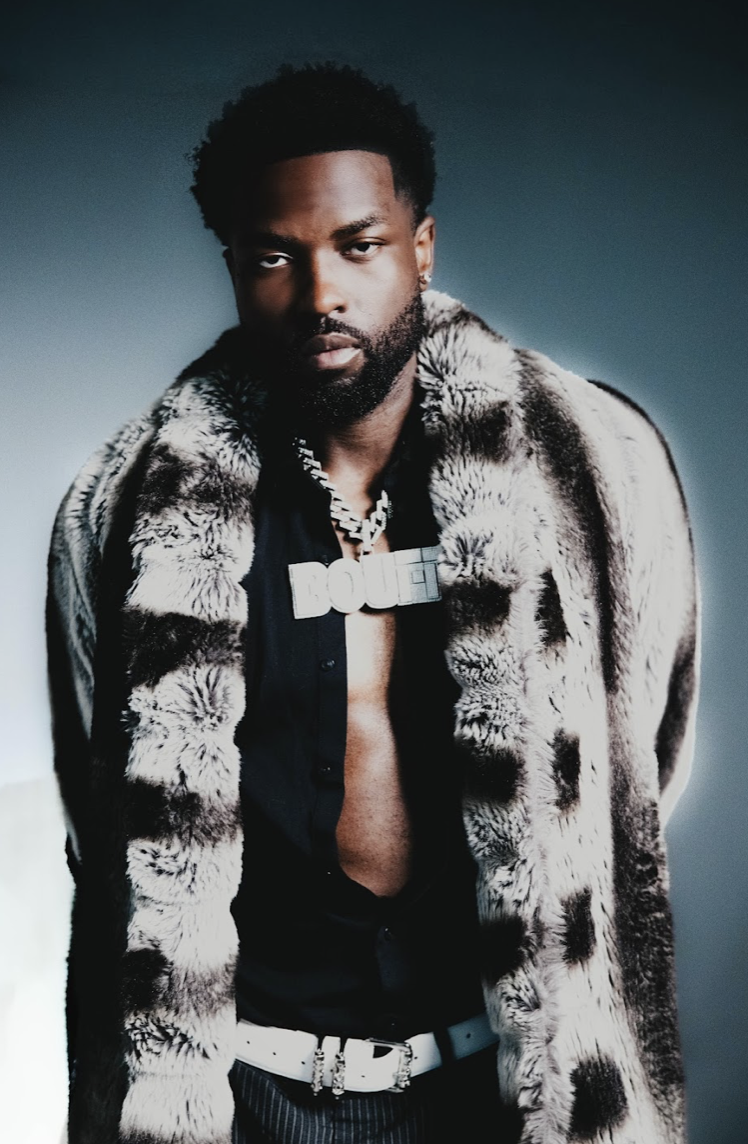
“The first question I ask [when making a tape] is what I want people to feel from it. The second is what my mission is with the tape.”
Music can act like a time capsule; able to hold certain moments like it was made for them. The 1975’s “The 1975” and Halsey’s “Badlands” are associated with a 2016 Tumblr era, for example. No matter what new music they create, these releases will almost be frozen at this time. BOUFF’s mission with “Bad Boi” was for the project to be listenable even after this particular cultural moment. However, he does understand the importance of timely releases. “A lot of people are dropping drill songs,” he says of the music trend now, “to capitalize on it, and that may be good in the marketing,” but he doesn’t want to make more music that sounds the same.
When working on an album, BOUFF shares that, to him, “it’s about finding different sounds that sound collectively good together and is timeless.” At this he succeeds. Unexpected sounds create a captivating beat under lyrics that one feels more than just hears.
One major point of experimentation that came along with the “Bad Boi” sound was BOUFF’s growth in the visual sphere. “My background in film and television helps elevate the mood for my music,” he shares.
He tells us that colours are very important in evoking the right feelings he wants to get out of audiences, and he was looking at tying a particular hue to “Bad Boi.”
“A movie that is very important to the culture is ‘Belly’, so I was thinking of that dark blueish hue,” he shares. “Belly” is a 1998 crime thriller that follows two childhood friends who continue into their adulthood, getting involved in organized crime and drug dealing and find their priorities shifting due to their lifestyle. This theme is very apparent in the lyrics through every track on this mixtape.
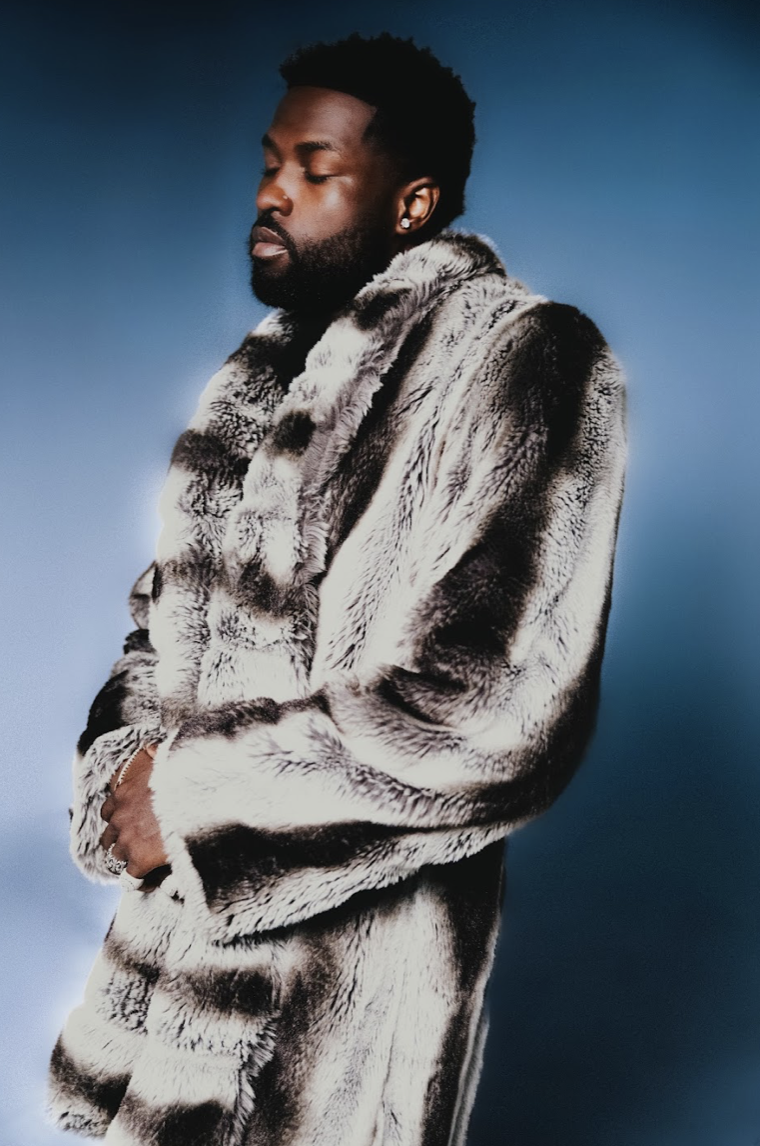
The colour blue evokes many juxtaposing meanings according to BOUFF: sadness, calmness, and authority. SINNA, the 5th track, truly highlights the “blue” hue that accompanies “Bad Boi.” It’s one of the darker tracks, sampling the Game of Thrones intro theme, with heavy breathing that signal an urgency. The fade out and chimes at the end are reminiscent of choir sounds: big, echoed, and a full body experience. Choosing to make SINNA, sonically, feel the most religious was a choice that made this song really stick out where it could’ve otherwise gotten lost in the middle of the mixtape.
In terms of imagery, the front cover image shows BOUFF turned away from the audience wearing three chains. One of his name covered by a cross and a Jesus piece. Glamour and reward are a tough balancing act. On the one hand, they fall into the negative tropes around a “Bad Boi,” highlighting vanity. On the other, BOUFF is learning to replace that vanity—as signified by the chain of his name—with presence and strength. This is where the cross and Jesus piece come to play.
The back cover image that accompanies “Bad Boi” signifies the vices that BOUFF carries and the lives he’s lived; the places he’s been. More than this, the locations highlighted in the image signify the genre of Afrobeats.
The Afrobeats influence is most apparent in his track DI JIGGA. It’s fast-paced and loud without being aggressive. This highlights BOUFF’s ethos of “just because you play the music loud doesn’t mean the music is good.” Each track is intentional in what it wants to be as a standalone. After all, “really good art is complicated but it seems easy to digest.”
The art, the lyrics, the different sounds. These could signal wandering, withholding, or even uncertainty. However, it is this amalgamation that makes BOUFF such a standout artist. Rather than this wandering being something that signals hesitance, he puts these ideas together like a puzzle of who he is as an artist.
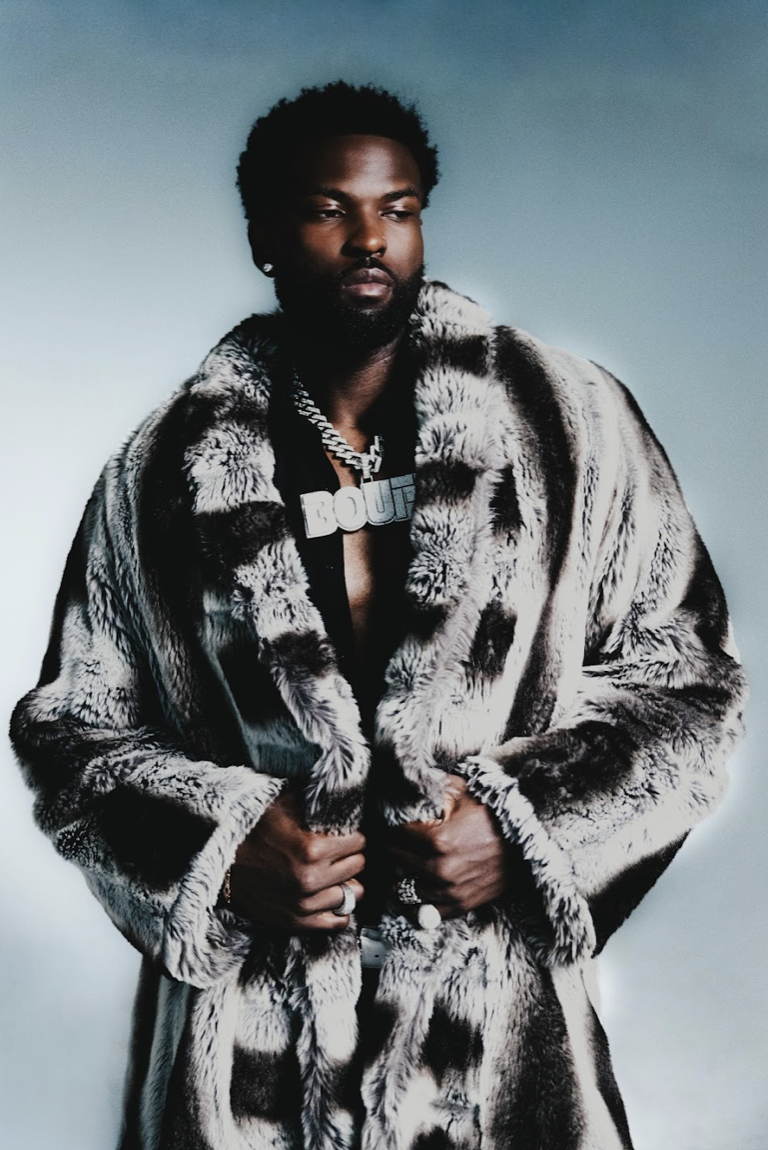
“‘Bad Boi’ is supposed to, by God’s Grace, leave a mark in the Toronto community, in the Canadian industry.”
In the end, this mixtape is a celebration of Afrobeats and a call for community in industries that oftentimes lack support. The “Bad Boi” lifestyle is not just about the sex, drugs, and bottles shown on the back cover. It’s about unity.
“That’s what ‘Bad Boi’ is about: acceptance.”